KYIV, Ukraine — Ukrainian President Volodymyr Zelenskyy confirmed on Monday, November 23, 2026, that Ukrainian forces carried out Sunday’s long-range sea-drone attacks off the coast of Libya, announcing that the strike sank the modern Russian Navy corvette Merkury, destroyed an embarked Ka-27 military helicopter, and damaged a Russian cargo vessel.
In a statement accompanied by surveillance video of the explosions, Zelenskyy praised the Security Service of Ukraine (SBU) and other Ukrainian defense units for executing what he called "an exemplary Ukrainian operation in response to Russia’s war".
According to Zelenskyy, Ukrainian forces deployed seven domestically produced unmanned surface vessels (USVs) in the Sunday operation near the eastern Libyan port of Benghazi:
- Corvette Merkury Sunk: Zelenskyy noted that the Merkury—one of Russia’s newest warships, commissioned in 2023 during the full-scale invasion—was sunk "despite all the enemy’s efforts to counter the attack". Satellite imagery captured by Vantor showed the vessel largely capsized and submerged inside Benghazi’s naval port, with only its bow visible above the waterline.
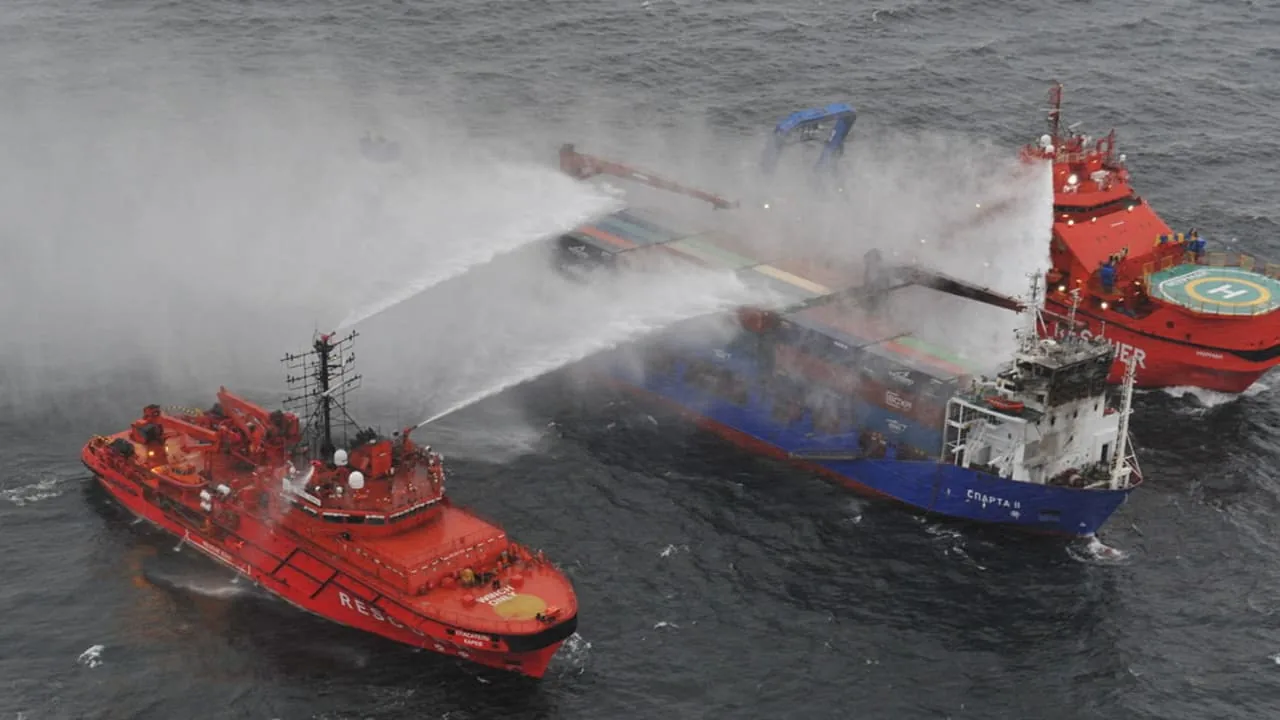
- Helicopter and Cargo Ship Hit: The strike also destroyed a Russian Ka-27 anti-submarine helicopter stationed aboard the corvette and struck the MV Angara, a Russian dry cargo ship that Zelenskyy said Moscow was using to transport weapons.
"We continue our operations in designated waters. We are responding to Russia’s aggression. We are developing Ukrainian weapons," Zelenskyy said, adding that SBU and military commanders briefed him on Sunday and Monday that all mission objectives had been achieved. An SBU source separately stated that the operation demonstrated that Russia’s naval fleet and logistics networks "have no safe routes, even far beyond the Black Sea".
International Reaction in Libya
Moscow has not issued an official comment on the sinking of the Merkury, which eastern Libyan authorities said had docked at Benghazi to refuel and resupply while returning to Russia.
Meanwhile, the United Nations Support Mission in Libya (UNSMIL) expressed "serious concern" over Sunday’s strikes, calling for an independent investigation and warning that Libya "cannot afford, and must not become a battleground for foreign conflicts"—echoing alarms raised by both Libya’s UN-recognized government in Tripoli and eastern authorities in Benghazi.