BENGHAZI, Libya — A second Russian vessel was struck off the coast of eastern Libya on Sunday evening, November 22, 2026, after an unmanned surface vessel (USV) slammed into the ship and detonated, sending plumes of fire and thick smoke into the night sky just hours after a suspected drone strike hit a Russian warship docked inside Benghazi’s naval base.
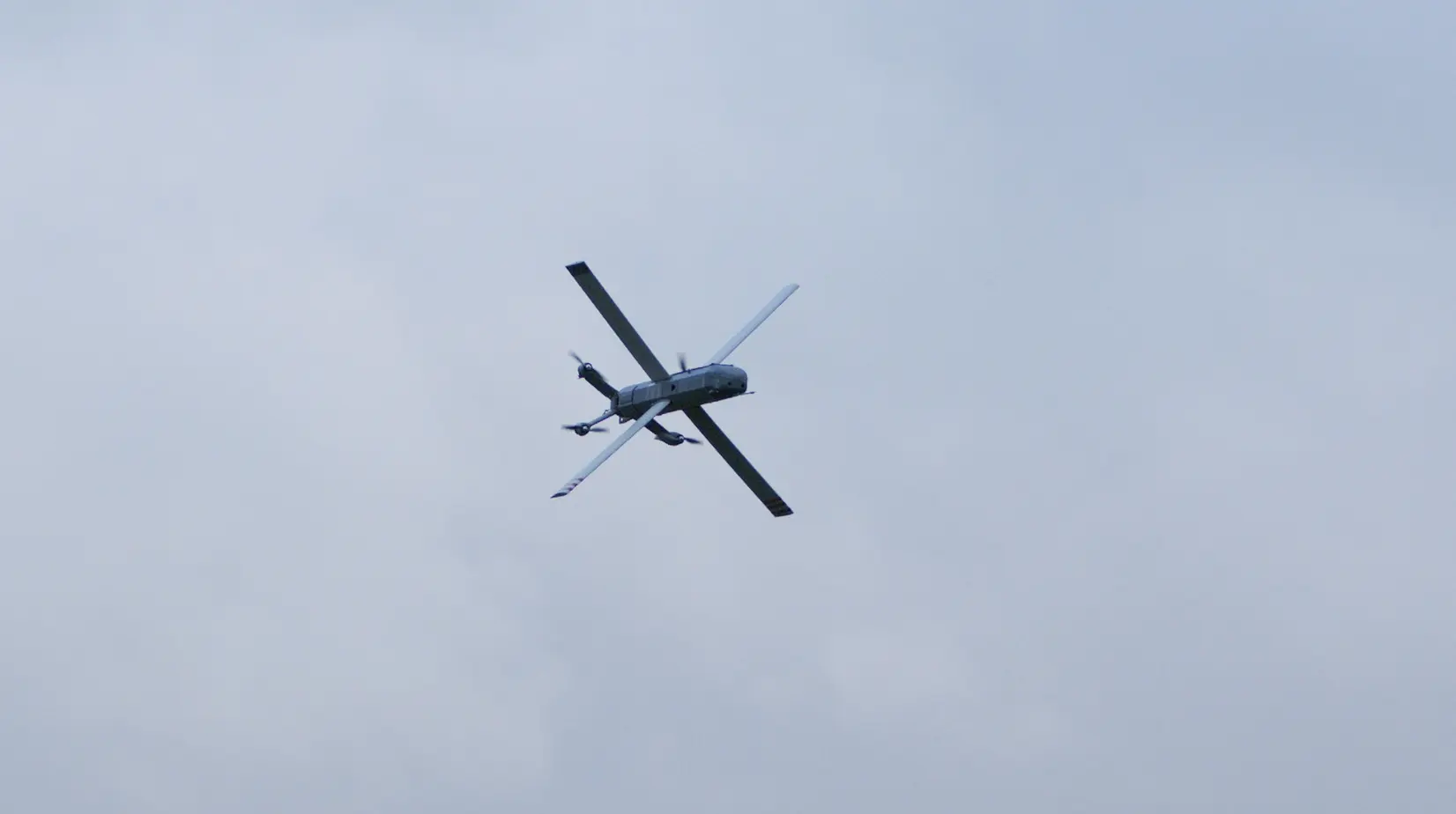
Thermal surveillance video circulating on Sunday night—bearing targeting reticles and coordinates placing the strike roughly off the coast of Benghazi (32°10.855′ N, 19°58.606′ E)—captured the high-speed sea drone skimming across the water before colliding directly with the hull of the vessel, triggering a massive fireball and billowing smoke.
Conflicting Reports Over Targeted Vessels
According to open-source intelligence analysts and regional media reports, Sunday evening’s maritime attack unfolded alongside wider air and naval activity off the Mediterranean city:
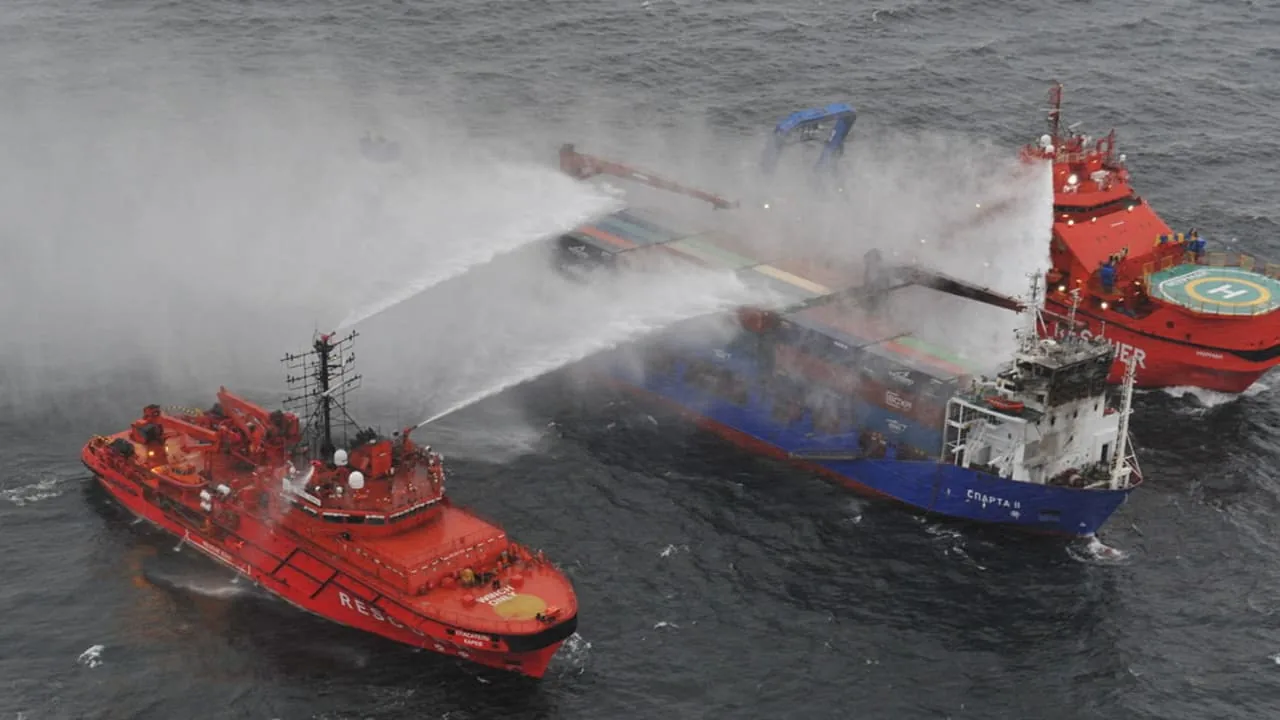
- The Cargo Ship Strike: While some initial social media accounts misidentified the burning vessel as a Maltese-flagged oil tanker operating nearby, open-source analysts identified the target as the Ascalon (also operating as Angara), a roll-on/roll-off (RO/RO) cargo vessel contracted by the Russian Ministry of Defense and sanctioned for transporting military cargo. Local Libyan media confirmed that a sea drone struck a commercial vessel off Benghazi on Sunday evening, while eastern Libyan naval and air defense forces reported intercepting at least 12 additional sea drones approaching the coast. [1, 2]
- Morning Strike on the Corvette Merkury: The evening assault followed a dawn attack inside the Benghazi Naval Base, where two sea drones breached harbor defenses—after four others were reportedly intercepted—and struck the Merkury, a Russian Navy Steregushchiy-class guided-missile corvette that had stopped to refuel and resupply. Satellite imagery reviewed by BBC Verify showed the warship engulfed in flames and later partially submerged.
War Spills Across the Mediterranean
Two Libyan military officials affiliated with eastern commander Khalifa Haftar’s Libyan National Army told The Associated Press that the drones were launched from a facility operated by Ukrainian forces in western Libya. Neither Kyiv nor Moscow has issued an official public statement claiming or confirming responsibility for Sunday’s strikes.
The back-to-back attacks in Libya underscore how the Russia-Ukraine war has increasingly spilled into global maritime corridors far from the Black Sea—coming just one day after a suspected Ukrainian drone struck a Russian cargo ship in the Baltic Sea near Finland.
Meanwhile, the strikes have deepened friction between Libya’s rival administrations: while eastern authorities in Benghazi condemned the attacks as a violation of sovereignty and announced a joint investigation with Moscow, the UN-recognized government in Tripoli warned that hosting Russian military assets risks turning Libyan ports and waters into a battleground for foreign powers.