By Katumba
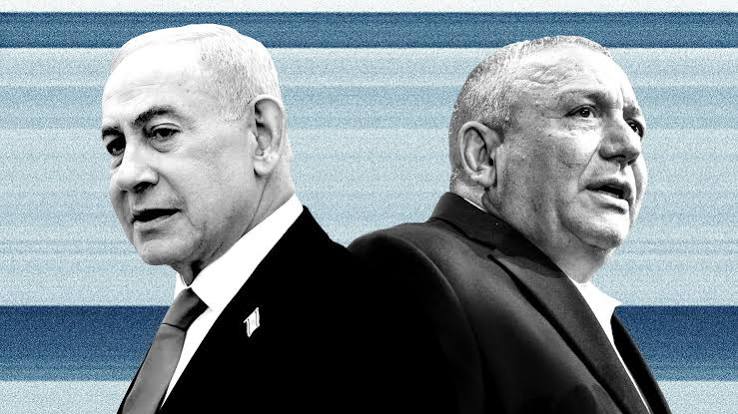
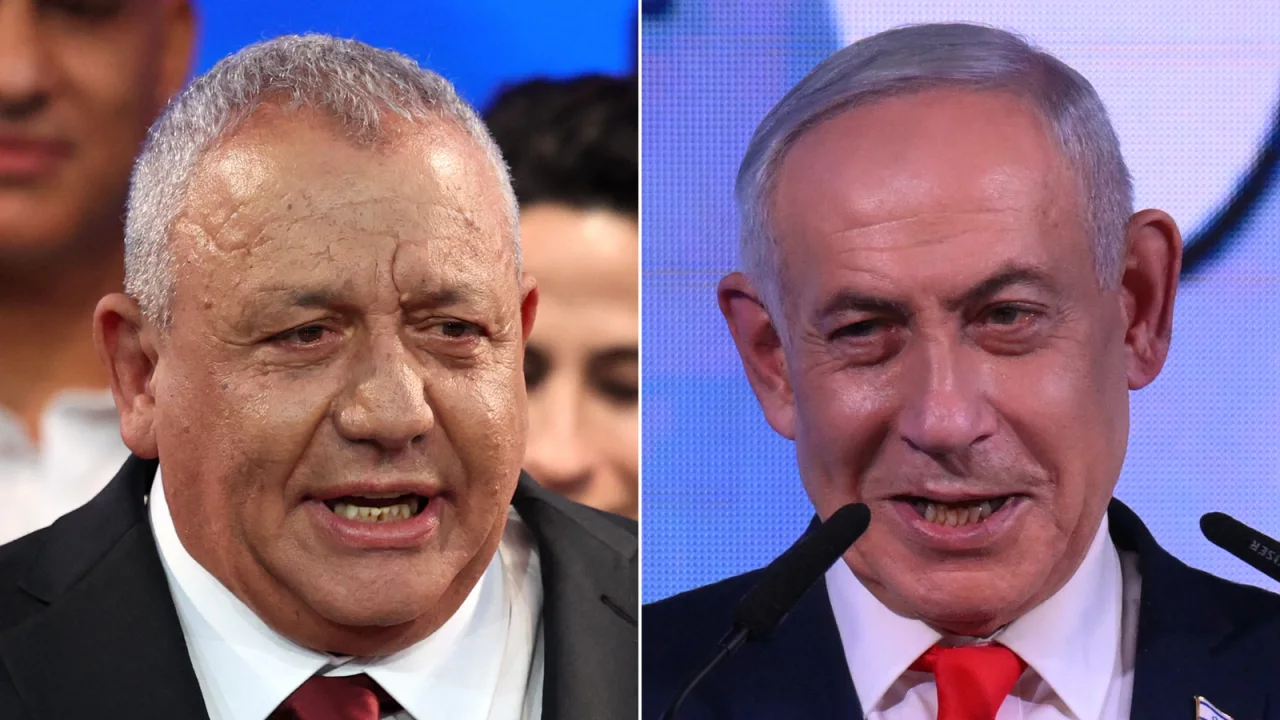
In a post on X, Eisenkot said Netanyahu’s public call for negotiations that evening was “another spin.” He stated that a meeting between the negotiating teams of his Yashar party and Likud had already been scheduled for Sunday. “Netanyahu calls for negotiations after they have already been set, claims he wants unity, but desecrates a state ceremony in the Knesset and divides and incites as if there is no tomorrow,” Eisenkot wrote. “These tricks don’t work on me. And not on the citizens of Israel either.”
Eisenkot, who leads the centrist Yashar party, was formally given the mandate to form a government on November 8 after receiving recommendations from factions representing 67 members of the 120-seat Knesset, compared with 46 for Netanyahu. He has 28 days to assemble a coalition, with the possibility of a 14-day extension.
Conditions for an Emergency Government
Eisenkot has repeatedly called for a “national emergency government” and has set four core principles for any party seeking to join:
- Recognition of Israel as a Jewish and democratic state.
- Acceptance of the values of the Declaration of Independence.
- Mandatory service for all citizens—military, national, or civilian—to strengthen the IDF.
- Recognition of Hamas as a terrorist organization and a commitment to dismantling its military and governing capabilities.
He has also insisted on a clear separation from what he describes as extremists in the outgoing coalition. In Saturday’s post he reiterated that Netanyahu “knows that the conditions for joining an emergency government under my leadership are recognition of the principles I outlined and separation from the extremists.”
Eisenkot’s own bloc of Zionist opposition parties holds 48 seats. Support from the two Arab-majority lists, which together won 19 seats, helped him secure the presidential mandate, though the precise role those parties would play in any government remains a point of sensitivity within his camp.
Knesset Speaker Vote as Next Test
A key procedural test is expected on Tuesday, when the Knesset is set to vote on replacing Likud’s Amir Ohana as Speaker. Eisenkot’s bloc has nominated Matan Kahana, a Yashar MK and former religious affairs minister, for the post. Kahana is a reserve colonel, former F-16 squadron commander, and veteran of the elite Sayeret Matkal unit.
Eisenkot framed the vote as a litmus test for Likud and Religious Zionism. “If indeed their face is toward real political partnership, as they claim, they are required to allow the existence of a proper democratic process… and to instruct the Knesset members to support the appointment of… Matan Kahana,” he wrote. Failure to do so, he said, would show that talk of partnership is “an empty political trick.”
Control of the speakership would give the opposition greater influence over the Knesset’s agenda while government formation talks continue.
Background and Challenges
The October 27 election left no bloc with a clear majority. Netanyahu’s traditional partners hold roughly 53 seats, while Eisenkot’s Zionist opposition partners hold 48. Neither side has an automatic path to the 61 seats needed for a government.
Eisenkot has described the task of forming a coalition as complex and has left open the possibility of a minority government, arrangements with ultra-Orthodox parties (despite his insistence on universal service), or a broader unity arrangement. Netanyahu’s camp has accused the opposition of seeking to rely on parties it views as problematic on national security grounds.
As of Saturday evening, Eisenkot said he was continuing efforts “even at these very minutes” to establish a national emergency government quickly. With the initial 28-day period already underway, the coming days—including Sunday’s scheduled negotiating session and Tuesday’s Speaker vote—are expected to clarify whether a stable government can be formed or whether Israel faces the prospect of further political deadlock.