KAMPALA, Uganda — When Yoweri Kaguta Museveni marched into Kampala at the head of the National Resistance Army in January 1986, he promised Ugandans a "fundamental change"—an end to the state-sponsored terror, sectarian bloodshed, and constitutional tyranny that had defined the regimes of Idi Amin and Milton Obote.

Forty years later, following a disputed January 2026 presidential election that handed the 82-year-old leader a seventh term in office, critics, human rights defenders, and international observers argue that the machinery of state coercion has not been dismantled, but perfected. Across four decades, challenging Museveni’s hold on power has carried an increasingly steep price: arbitrary detention, enforced disappearance, military prosecution, exile, and death.
Today, with Uganda’s two most prominent opposition figures sidelined—one gravely ill in state custody, the other driven into exile—and Museveni signaling a potential dynastic handover to his son, Chief of Defence Forces Gen. Muhoozi Kainerugaba, Uganda stands at its most consequential political crossroads in a generation.
The Anatomy of Persecution: A Generation Under Siege
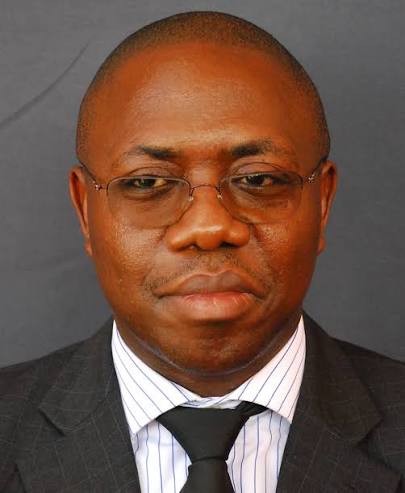
For more than two decades, the physical and legal ordeal of Col. (Rtd) Dr. Kizza Besigye—once Museveni’s personal physician and bush-war comrade—has served as a barometer for political space in Uganda. Since breaking ranks to challenge Museveni in 2001, Besigye has been arrested dozens of times, tear-gassed, placed under prolonged house arrest, and repeatedly charged with treason and terrorism.
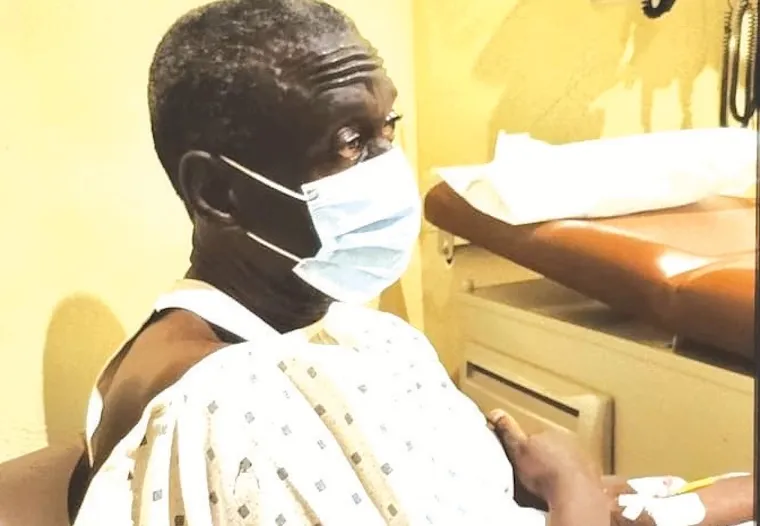
His trajectory took a dramatic turn in November 2024, when Ugandan operatives abducted him from Nairobi, Kenya, and spirited him back across the border to face a military court-martial in Kampala. Even after Uganda’s Supreme Court ruled in early 2025 against trying civilians in military tribunals, Parliament passed legislative amendments reauthorizing the practice, and Besigye’s treason case was transferred to the High Court, where he has remained behind bars for two years. By late 2026, reports from his legal team and family painted a grim picture of a 70-year-old veteran politician weakened by hunger strikes, hospitalized under heavy guard, and reportedly losing his speech amid prolonged incarceration.
If Besigye represents the old guard worn down by decades of attrition, Robert Kyagulanyi Ssentamu—the musician-turned-politician universally known as Bobi Wine—embodies the generational crackdown against Uganda’s urban youth. Leading the National Unity Platform (NUP), Kyagulanyi galvanized millions of young Ugandans during the 2021 and 2026 election cycles, only to be met with overwhelming military force.

In the run-up to and aftermath of the January 15, 2026 polls—in which the Electoral Commission declared Museveni the winner with 71.65% of the vote against Kyagulanyi’s 24.72%—security forces launched what Amnesty International termed a "brutal campaign of repression":
- Mass Arrests and Disappearances: Rights organizations documented the arbitrary arrest of roughly 2,000 opposition supporters and at least 30 election-related deaths. Senior NUP figures, including deputy president Jolly Jackline Tukamushaba and Lina Zedriga Waru, were subjected to enforced disappearances, joining dozens of ordinary supporters who vanished into unmarked detention facilities—known locally as "safe houses" or "dungeons"—years earlier.
- Assault on Leadership: Following the January 2026 vote, soldiers laid siege to Kyagulanyi’s Magere residence, assaulting his wife, Barbara Kyagulanyi, and staff. Facing explicit death threats posted on social media by military chief Gen. Muhoozi Kainerugaba, Kyagulanyi fled into hiding and subsequently into exile.
- Criminalizing Dissent: Beyond physical force, the state has weaponized the law and digital surveillance. Scores of young Ugandans, including university students and activists, have been jailed under the Computer Misuse Act for satirical TikTok videos criticizing the First Family. Meanwhile, the Protection of Sovereignty Act of 2026 imposed up to 10-year prison sentences on civil society groups receiving foreign funding, leading to the suspension of major human rights organizations and independent media outlets.
The Ugandan government and military leadership consistently reject allegations of systemic torture or political persecution. Officials maintain that security deployments are necessary to preserve national stability, thwart insurrections, and enforce public order against what they characterize as foreign-backed agitators.
The Succession Question: Dynasty or Fractured Transition?
As 2026 draws to a close, the central question dominating conversations from Kampala’s corridors of power to rural trading centers is no longer whether Museveni can defeat an election challenger, but how—and to whom—power will eventually pass.

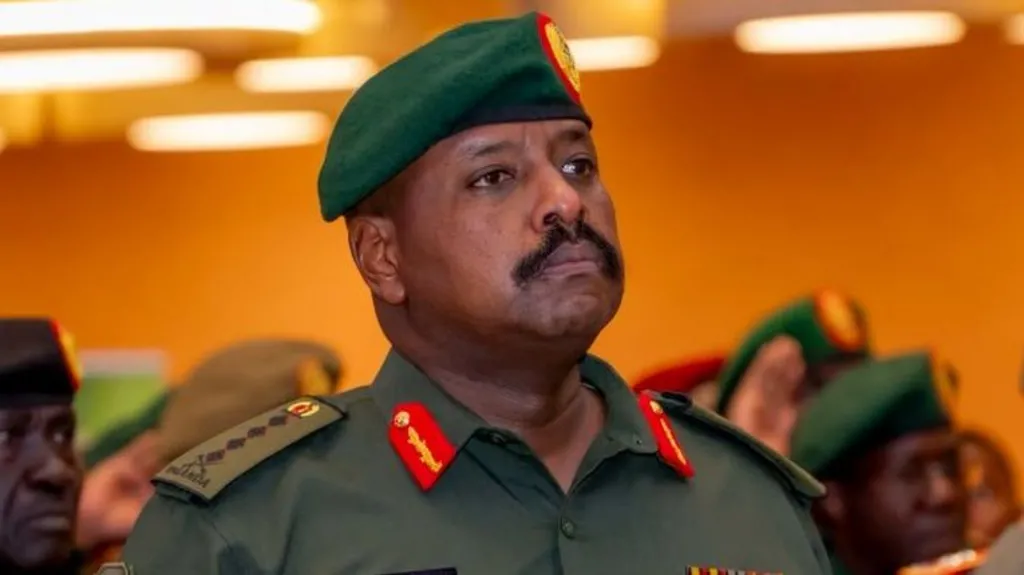
For years, analysts speculated about the "Muhoozi Project"—the gradual elevation of Museveni’s only son, Gen. Muhoozi Kainerugaba, through the ranks of the Uganda People’s Defence Forces (UPDF). In 2026, speculation gave way to open declaration. Appointed Chief of Defence Forces and backed by his political mobilization vehicle, the Patriotic League of Uganda (PLU), the 52-year-old general has publicly declared his intention to succeed his father, boasting on social media that "no one will stop me".
In late October 2026, internal succession discussion papers circulating within the ruling National Resistance Movement (NRM) indicated that Museveni had formally opened the door to stepping down at the end of his current term in 2031, outlining a framework arguing why Kainerugaba deserves consideration as the party’s next flagbearer.
Yet a father-to-son transition is far from guaranteed, carrying deep fault lines:
- Rifts Within the Ruling Establishment: Closed-door NRM executive meetings in November 2026 revealed rare internal pushback. Historical bush-war elders and senior party figures have privately expressed alarm over Kainerugaba’s combative temperament, diplomatic controversies sparked by his erratic social media posts, and lack of grassroots consensus.
- The Military’s Role: Because Museveni fused the state, the ruling party, and the army over four decades, the UPDF remains the ultimate arbiter of Ugandan politics. Whether the broader officer corps will unite behind Kainerugaba—or fracture along generational and regional lines once Museveni exits the stage—remains Uganda’s most volatile security variable.
The Future That Awaits Uganda
Beneath the high-stakes political maneuvering lies a demographic and economic reality that will ultimately define Uganda’s future. More than 75% of Uganda’s population is under the age of 30—a generation that has never known any president other than Yoweri Museveni.
This youth bulge sits atop a widening economic paradox. On one hand, Uganda stands on the threshold of long-awaited petrodollar revenues from the Lake Albert oil fields and the East African Crude Oil Pipeline (EACOP), which the government promises will finance infrastructure and middle-income transformation. On the other hand, hundreds of thousands of young graduates enter an economy each year burdened by high youth unemployment, endemic public-sector corruption, strained healthcare and education systems, and rising living costs.
As Uganda looks toward the end of the decade, three broad scenarios emerge:
- Managed Dynastic Continuity: Museveni successfully shepherds Kainerugaba into the presidency by 2031, maintaining the military-backed patronage network while relying on oil revenues and Chinese-backed surveillance infrastructure to contain urban dissent.
- Elite Fragmentation: A sudden biological exit or contested succession triggers a power struggle among NRM heavyweights, military commanders, and regional powerbrokers, ushering in a period of acute institutional instability.
- Generational Reckoning: With traditional opposition parties decimated by exile, imprisonment, and legal restrictions, civic resistance shifts from formal political parties to decentralized, youth-led social and economic protests—similar to movements seen elsewhere in East Africa—forcing fundamental constitutional and governance reforms.