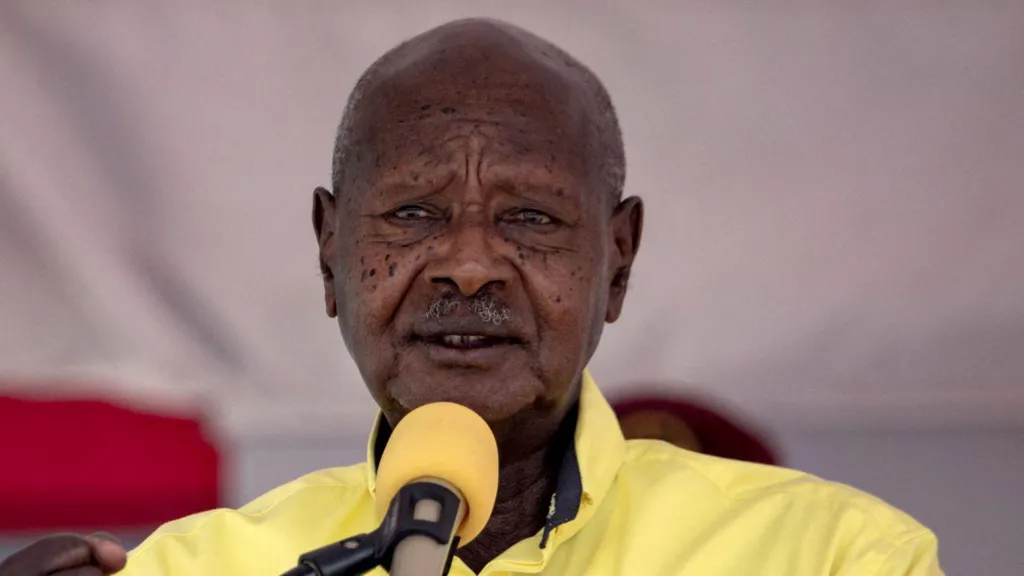
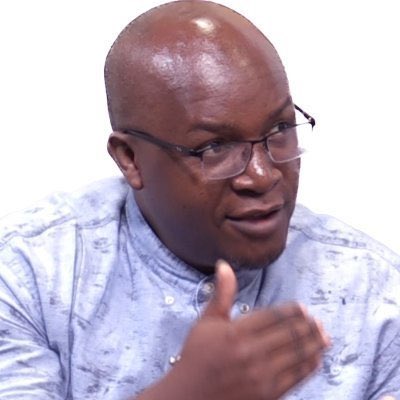
Egesa, a frequent media commentator, software engineer, and strategist, has been a vocal critic of Uganda’s long-running political system under President Yoweri Museveni. He has repeatedly argued that prolonged consolidation of power has hollowed out democratic institutions. In earlier statements, he said: “Every key tenet of democracy as it should be has been demystified because of the long stay in power,” and that elections can no longer be viewed as a credible path to change. He has described the system as one in which “President Museveni is the Alpha and the Omega,” with Parliament reduced to a ceremonial body under executive dominance, and characterized Uganda as no longer functioning as a republic but operating “like a monarchy centred on one individual.”
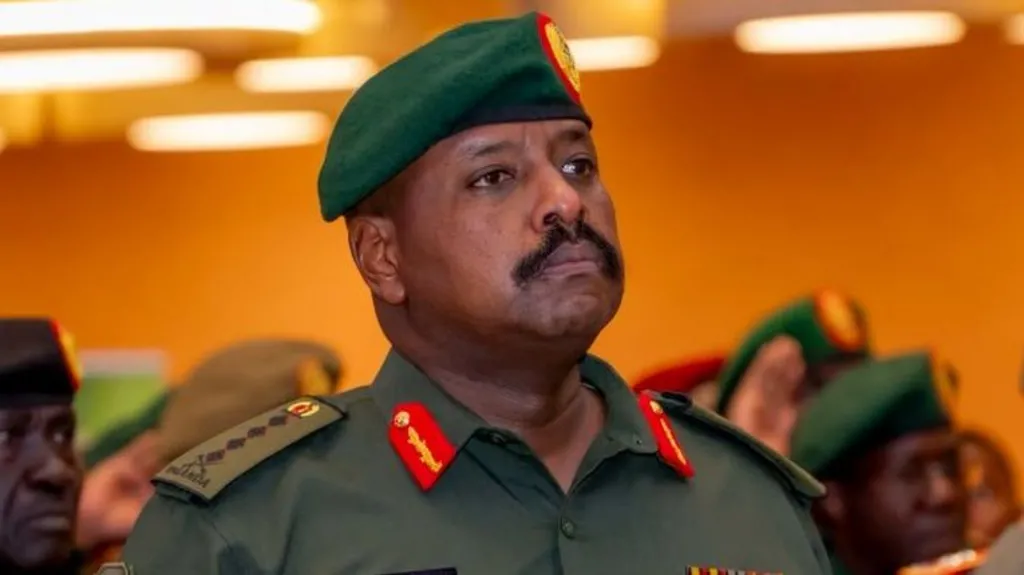
His recent commentary has focused heavily on succession politics and proposals linked to Gen. Muhoozi Kainerugaba (Chief of Defence Forces and the president’s son) as well as Gen. Salim Saleh’s (Caleb Akandwanaho) advocacy for a “Consociational Democracy Agreement.” Egesa has characterized aspects of the succession efforts as undemocratic. In a November 5 post, he noted that he had earlier advocated a form of consociational democracy built around a collegiate presidency that would “demystify the Presidency.” He warned that any power-sharing arrangement that fails to do so “will leave the ordinary Ugandan (mwananchi) with the short end of the stick.” Just days before the reported incident, he appeared in discussions challenging Saleh’s power-sharing paper, stressing the need for genuine ownership, representation, and reduced concentration of power in the presidency.
Observers and accounts linking the incident to his criticism of the CDF’s conduct and succession politics describe it as consistent with a broader pattern of abductions and enforced disappearances targeting government critics, online voices, and opposition figures—often involving unmarked “drone” vans. Independent reporting and rights groups have documented similar cases in recent years, including high-profile incidents involving lawyers and politicians, with allegations of prolonged incommunicado detention and mistreatment that authorities have frequently denied or failed to clarify promptly.
Egesa has also critiqued weaknesses within the opposition, arguing that many parties lack strong ideology, that some figures may be compromised or opportunistic, and that structural problems leave the opposition vulnerable. He has positioned himself as a strategic analyst rather than a partisan activist, drawing on what he has described as his own intelligence sources.
The reported abduction comes amid intensifying public and internal NRM debate over the 2031 succession. Reports (including AFP accounts citing party sources) have described divisions within the NRM Central Executive Committee over positioning Muhoozi, with some elders expressing unease at his public style and alleged methods. Party officials have disputed characterizations of formal rejection. Saleh’s power-sharing proposal has drawn mixed reactions from opposition figures, some of whom demand independent guarantees and broader representation before any talks.
As of the evening of November 13, neither police nor other security bodies had issued a public statement confirming Egesa’s location or the circumstances of his removal from the radio station. Calls for his release and demands for transparency have circulated on social media under hashtags such as #FreeEgesa. Rights groups and media have urged authorities to account for his whereabouts and ensure due process if any charges are involved.
This incident adds to ongoing concerns about the space for critical commentary in Uganda, particularly on sensitive issues of succession, military influence in politics, and the concentration of executive power after nearly four decades of Museveni’s rule. Egesa’s statements consistently framed the core problem as institutional: a system in which key democratic checks have been weakened and the presidency remains the decisive center of power.