Ugandan President Blames Budget Constraints as Presidential Pledges Remain Unfulfilled for over 40 Years
KAMPALA — State House officials have officially cited a lack of budgetary capacity to clear an overwhelming, multi-decade backlog of unfulfilled presidential pledges made across Uganda. The severe financial constraints mean that numerous promises—spanning critical infrastructure, local hospitals, and direct monetary packages—remain completely unexecuted, with some stretching back to the early years of the current administration.
Appearing before Parliament’s Public Accounts Committee (PAC) to answer audit queries, State House Comptroller Jane Barekye detailed that the presidency faces severe budgetary incapacity to meet the staggering backlog. Lawmakers sharply criticized the delays, warning that leaving commitments unhonored for up to four decades has significantly eroded public confidence in the highest office of the land.
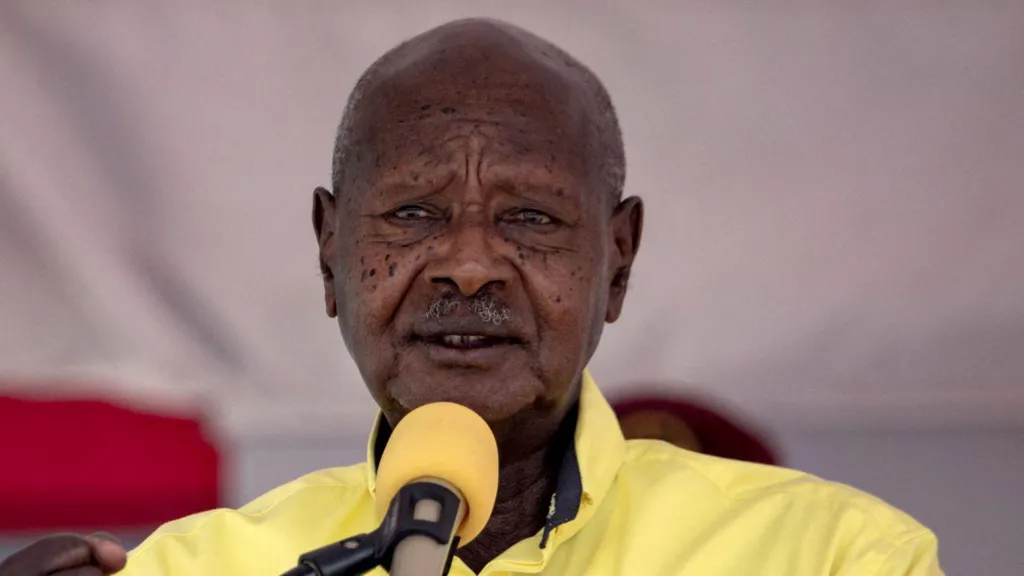
Reader Primer: Who is President Yoweri Museveni?
For readers unfamiliar with East African geopolitics, Yoweri Kaguta Museveni is one of the world's longest-serving non-royal rulers, having held power in Uganda since January 1986.
- The Rise to Power: Museveni initially came to prominence as a rebel leader who launched a five-year guerrilla struggle (known as the Ugandan Bush War) against the dictatorial regimes of Idi Amin and Milton Obote. Upon seizing the capital city of Kampala in 1986, he famously declared that his victory was "not a mere change of guard" but a "fundamental change" toward democracy.
- Early Successes: In his first two decades, Museveni won international praise from Western nations for stabilizing a war-torn economy, achieving steady GDP growth, doubling primary school enrollment, and launching a highly successful national campaign to combat the HIV/AIDS epidemic.
- The Autocratic Turn: Over his 40 years in power, however, critics and international bodies argue that Museveni has transitioned into a centralized authoritarian leader. To retain control, his administration has removed constitutional presidential age and term limits, repeatedly suppressed political opposition through military force, and overseen a massive expansion of patronage networks. He was most recently reelected to a seventh term following a tightly contested and heavily criticized vote.
Beyond Broken Pledges: A Look at Broader Institutional Failures
While unfulfilled localized promises have fueled rural frustration, experts point out that the multi-trillion-shilling pledge backlog is merely a symptom of wider structural, democratic, and economic failures under Museveni’s lengthy rule.
1. Systemic Corruption and Patronage Politics
According to governance tracking groups, systemic corruption in Uganda drains an estimated $2.4 billion annually from public coffers. Oversight committees argue that public funds are frequently diverted away from essential public healthcare and education to fuel elite patronage networks and classified military budgets, leaving local governments underfunded. For instance, despite severe budget shortfalls for public infrastructure, the executive recently distributed massive cash windfalls, including Shs 100 million "start-up" packages to incoming Members of Parliament. Critics point out that such spending prioritized keeping political elites loyal over addressing foundational national debts.
2. Suppressing Political Dissent and Human Rights
The presidency has faced mounting international condemnation for its growing intolerance of political opposition. High-profile opposition figures, such as Bobi Wine of the National Unity Platform (NUP), routinely face arbitrary arrests, house arrests, and violent crackdowns by security forces. During election cycles, the state has deployed military-grade forces to break up peaceful rallies, frequently shutting down internet infrastructure and trying civilian opposition supporters in military courts.
3. Stagnant Rural Economies and the Youth Unemployment Crisis
Despite high-level government promises of economic transformation, local agricultural communities complain that a lack of state support has left millions of rural farmers trapped in poverty. Promised value-addition infrastructure—such as local factories and processing hubs—frequently goes unbuilt, stalling job creation. This economic stagnation has created a ticking demographic timebomb: over 75% of Uganda's population is under 30, and youth unemployment stands at a staggering 43%, leaving hundreds of thousands of university graduates with no access to formal employment.
4. The "Muhoozi Project" and Hereditary Succession
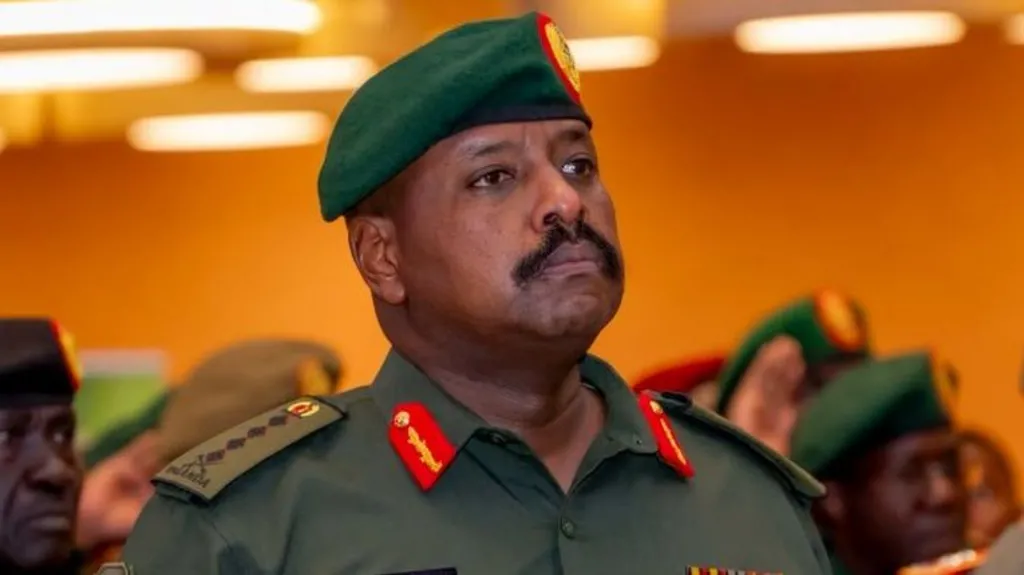
Public anxiety has intensified regarding the eventual transition of power. Critics accuse President Museveni of actively grooming his son, General Muhoozi Kainerugaba—the current Chief of Defence Forces—to succeed him. This dynamic, widely dubbed the "Muhoozi Project," has triggered fierce infighting even within the ruling National Resistance Movement (NRM). High-ranking party generals and veterans who have voiced dissent against a dynastic succession have faced sudden military arrests and treason charges, raising concerns about potential armed instability once Museveni exits the political stage.
The Anatomy of the Pledges: A Staggering Backlog
The accumulation of unmet executive promises has created a profound fiscal bottleneck, drawing intense pushback from the Parliamentary Committee on Government Assurances. [1]
- The Staggering Deficit: Estimates presented by oversight committees indicate that the backlog of pending presidential promises has ballooned to between Shs 12.9 trillion and Shs 75 trillion, numbers that completely dwarf the actual available allocations within the national budget.
- Impact on Vital Services: High-profile transport infrastructure—such as strategic bridges and regional road expansions—remain frozen on State House logs, with some pending since the early 1990s. Commitments to distribute basic agricultural tools like coffee seedlings or hand hoes have similarly failed to materialize.
- The Continuous Loop: Lawmakers expressed deep frustration that despite a backlog the budget cannot mathematically sustain, the presidency continually introduces new, high-value donations during national tours and election campaigns to secure votes, passing the blame for the subsequent delays onto line ministries.
 Nature of Institutional Failure   | Broader Impact on Ugandan Society

 Multi-Trillion Pledge Backlog     | Stalls vital rural roads, clinics,
                                   | and local employment hubs.

 High-Level Elite Corruption       | Diverts billions annually from
                                   | healthcare to patronage.

 Repression of Opposition          | Erodes democracy via military
                                   | court trials of civilians.

 Dynastic Succession Maneuvers     | Sparks infighting and arrests     |
                                   | within top military ranks.
- With Uganda managing a heavily constrained national budget, the executive branch has increasingly pushed performance accountability back onto local politicians, urging them to better supervise existing government wealth-creation initiatives. However, parliamentary oversight committees emphasize that asking local populations to wait decades for essential schools, medical infrastructure, and economic support has caused profound public demoralization. For first-time observers of Ugandan politics, the growing gridlock over unfulfilled promises highlights a much deeper, systemic crisis: an aging leadership riding on the memory of past 1980s heroics while struggling to meet the core demands of a modern, rapidly expanding young population.