The Three Pillars of Cooperation
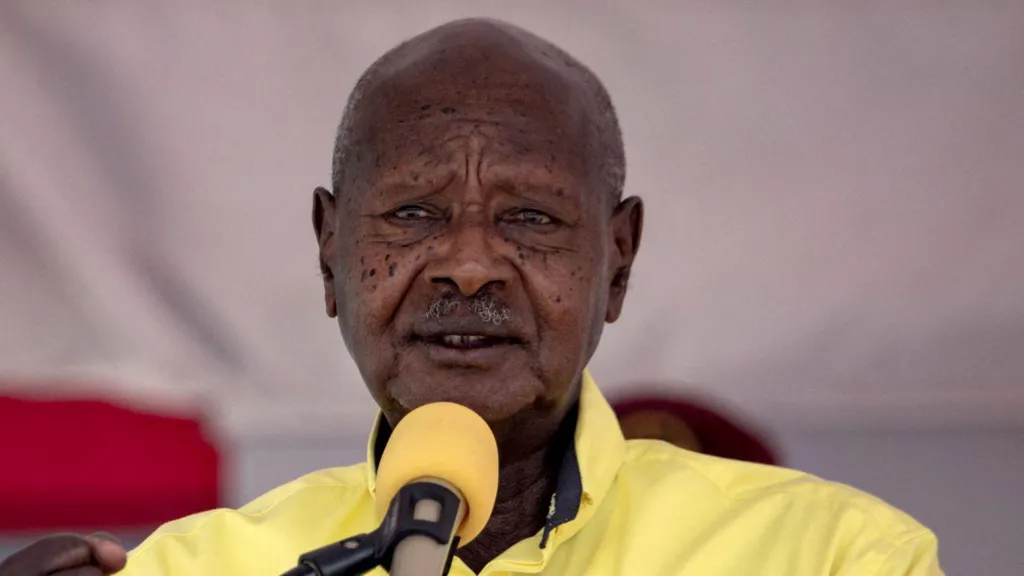
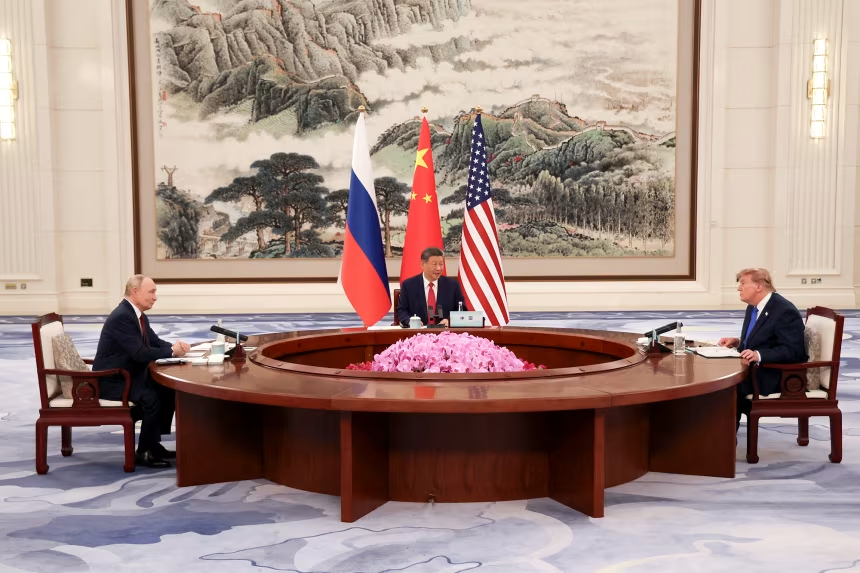
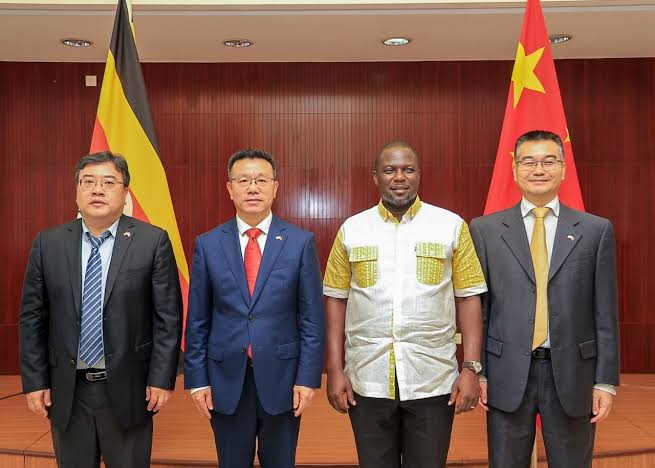
According to details released by state and independent media monitors, the NRM’s reach-out to Beijing focuses heavily on duplicating the highly centralized, tightly managed structural success of the CCP.
- Party Organization and Discipline: The NRM is seeking to study the CCP's top-down structural model to tighten internal discipline. After four decades in power, the NRM faces growing internal fracturing, particularly regarding the contentious succession debate surrounding First Son General Muhoozi Kainerugaba. By adopting Chinese organizational modeling, the party aims to enforce strict internal loyalty and suppress factionalism.
- Cadre and Leadership Development: Over the years, critics have accused the NRM of operating as a loose patronage network rather than a formalized political party. The new guidance initiative aims to build structured ideological training schools for NRM cadres, mirroring the CCP’s rigorous political academy system to train a new generation of loyalists.
- Digital Transformation and Surveillance: The most controversial aspect of the partnership involves digital management. The NRM's desire for "digital transformation" lessons from China—a nation that operates the world's most sophisticated digital censorship mechanism, the Great Firewall—has raised immediate alarms among digital rights groups. Security analysts warn that this will likely manifest as enhanced state capacity to monitor opposition movements, control online spaces, and implement biometric or digital tracking systems ahead of upcoming electoral cycle.

- .Opposition Backlash: NUP Slams "Authoritarian Blueprint"The announcement triggered immediate and fierce condemnation from Ugandan opposition parties, civil society, and political analysts. Leading the pushback, officials from the National Unity Platform (NUP), headed by Bobi Wine, slammed the move as a clear admission that the NRM is preparing to abandon even the pretense of a democratic system."In 40 years, you cannot manage your own party, but instead choose to put effort into destabilizing young parties," noted political commentators on social media, echoing widespread public disgust. NUP representatives warned that the NRM's adoption of Chinese communist methods is a deliberate attempt to import a one-party totalitarian framework to Uganda, explicitly designed to criminalize political pluralism and outlaw independent political organizing.Furthermore, critics pointed out the material irony of the situation: despite four decades of utilizing state resources, the NRM has consistently failed to construct its own formal party headquarters in Kampala, prompting citizens to mockingly ask if they will also need to learn how to build a basic building from Beijing.The Huawei Connection: A Precedent of Chinese Tech ControlThe NRM's current focus on Chinese "digital transformation" is built upon a well-documented foundation of technological reliance on Beijing. Over the past decade, the Ugandan government has consistently partnered with Chinese state-backed technology giants, most notably Huawei, to construct its domestic security infrastructure.

- The Safe City Project: Uganda previously spent over $126 million on a nationwide CCTV camera surveillance system installed by Huawei. The facial recognition technology embedded in these street cameras has been repeatedly flagged by human rights networks for its targeted deployment against opposition protesters during recent election cycles.
- Spyware and Cyber-Intelligence: Investigative reports, including an extensive expose by The Wall Street Journal, previously revealed that Chinese technicians working with Huawei directly assisted Ugandan cyber-intelligence officers in hacking the encrypted communications of opposition leaders, allowing security forces to intercept or disrupt peaceful political mobilizations.

- The Geopolitical Context: Exporting AutocracyThe NRM-CCP partnership is part of a broader trend across the African continent, where Beijing has actively exported its model of "authoritarian development." Through initiatives like the Julius Nyerere Leadership School in Tanzania—a joint venture funded by China to train cadres from six ruling liberation parties in Southern Africa—the CCP has consistently worked to legitimize one-party dominant rule across the region.For international observers, Uganda's official pivot toward Chinese communist organizational models underscores a deepening governance crisis in Kampala. Bypassing democratic reforms, the NRM is actively looking to reinforce its security state with Chinese-style digital controls. As the country navigates a fragile political transition, the adoption of Beijing's playbook signals that the ruling elite is preparing to rely on structural fortification and digital clampdowns, rather than genuine democratic consensus, to secure its future.